
Civic Tech
Your City Is Throwing Error Codes. I Just Read Them.
Staff
January 16, 2026
Available For Work
I’m looking for paid, remote-friendly work in IT, systems, automation, and analysis.
SEO, GEO, and AI ... up to speed on that.
I’m a former NASA, Microsoft, and IBM vendor who now finds himself between engagements. This isn’t a pivot away from REVOLT—it’s an honest statement of capacity.
My background is technical. I don’t do vibes. I do systems.
I specialize in diagnosing why things don’t work, then fixing, simplifying, or rebuilding them so they stop breaking. If your operation runs on tribal knowledge or duct tape, I’m useful.
Contract, project-based, or short-term work is fine.
Unpaid, equity-only, or vague ideas aren’t.
If you need competence and results, reach out.
TL;DR
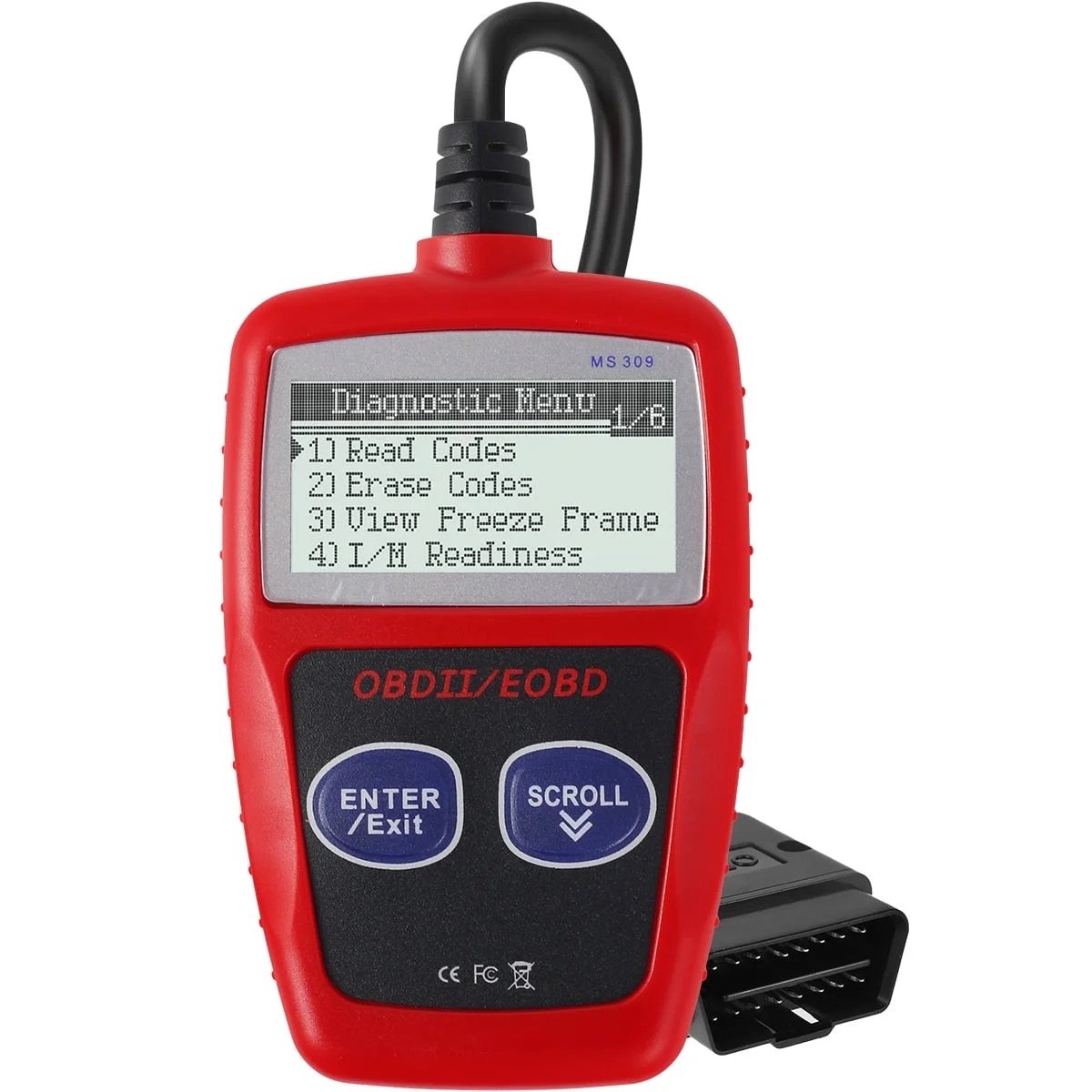
Cities are throwing legal and procedural “error codes.” I function like an OBD-II scanner: I stress-test meeting rules (public comment, invocations, viewpoint neutrality), pull the diagnostics, and flag risk early—quietly, with city attorneys—before it becomes litigation or public spectacle.
Most cities don’t fail because of bad intentions.
They fail because no one stress-tests the system before it’s put under pressure.
That’s where I come in.
I’m Chaz Stevens, and I don’t do warm and fuzzy. I don’t do politics. I don’t do performative reform. What I do—very well—is identify where municipal systems break before those failures turn into litigation, headlines, or federal court exhibits.
Municipal Code Is Just Legacy Software
I’m an old-school programmer. NASA era. Back when debugging meant reading the whole damn system, not guessing.
Municipal code is no different.
It’s legacy software written by committees, patched over decades, maintained by people who assume no one will ever run it edge-to-edge. That assumption used to hold.
It doesn’t anymore.
AI, automation, and professional pressure-testers (like me) remove institutional slack. Everything gets read. Everything gets compared. Every inconsistency starts throwing codes.
Think OBD-II, Not a Full Engine Rebuild
This work is often misunderstood, so let’s be precise.
I am not here to rewrite your charter.
I am not here to redesign your ordinances.
I am not here to “fix” your politics.
I’m the OBD-II scanner.
I plug in.
I pull the diagnostic codes.
I tell you where the risk lives.
If your system were already clean, it wouldn’t be throwing errors.
Why You Don’t See These Problems Internally
This isn’t an indictment of city staff or attorneys. It’s structural.
You can’t effectively stress-test a system you helped design. Blind spots are baked in. Incentives discourage adversarial review. And no internal memo ever says, “Here’s where we’d lose a 42 U.S.C. § 1983 claim.”
I can surface those failure modes quickly because I come from outside the system—and because I’ve already litigated, trained on, and publicly exposed them.
I’ve stress-tested invocation policies, public-comment frameworks, and CLE structures for viewpoint discrimination. In some cases, it takes minutes to identify exposure that would cost a city years.
Quiet Fixes Beat Public Theater
Here’s the part cities care about most—and should.
This work is meant to happen quietly, behind the scenes, and with your attorneys.
Because once these issues go public, they don’t stay controlled. Gadflies, pro se litigants, and opportunists take the same diagnostic output and run it straight into microphones and court filings.
That helps no one.
My first approach is always remediation without humiliation. Fix the issue. Reduce risk. Improve process. Make the city stronger without turning it into a spectacle.
That’s not leverage.
That’s risk management.
Why I Don’t Offer “Solutions as a Service”
A common suggestion is that I should also prescribe fixes—or hire former city attorneys to do so.
That misses the point and bloats the scope.
Once I start designing solutions, I inherit liability, politics, and ownership. I stop being a diagnostic instrument and become a co-author of the system. That’s not my role, and it undermines the value I bring.
Cities already have lawyers.
They need better diagnostics.
The “Catch Me If You Can” Problem
There’s a reason governments sometimes hire the people who used to outsmart them.
The system didn’t fail because it was malicious.
It failed because it was never tested this way.
My work exists to surface those truths early—when they’re cheap, fixable, and quiet.
The Bottom Line
I don’t break cities.
I show them where they’ll break if someone else tries.
You can fix it quietly with your lawyers now, or you can explain it publicly later.
Your call.
Ready to Stress-Test Before It’s Too Late?
If you’re a city attorney, risk manager, or elected official who wants fewer surprises and stronger systems, this is the work.
No theatrics.
No hostage-taking.
Just diagnostics, clarity, and control.
Stop guessing. Start testing.
FAQs
What is municipal process stress testing?
Municipal process stress testing is a diagnostic review of a city’s public-facing systems—public comment rules, invocation policies, meeting procedures, and enforcement practices—to identify where they fail under lawful pressure and expose the city to legal or reputational risk.
How is this different from a legal opinion?
A legal opinion explains what the law says. Stress testing examines whether your actual process survives adversarial use. It’s the difference between reading the manual and plugging in an OBD-II scanner to see which warning lights are already on.
Why do viewpoint discrimination issues keep coming up?
Because vague rules and discretionary enforcement drift toward inconsistency. When standards aren’t applied uniformly, cities unintentionally cross into content- or viewpoint-based decision-making—creating predictable First Amendment exposure.
In under 5-minutes, our process exposed a possible 1983 Civil Rights violation (First Amendment) with a local city.
Are you trying to embarrass cities or create lawsuits?
No. The preferred outcome is quiet remediation. The goal is to identify risk early and allow city attorneys to fix it before it turns into litigation, headlines, or public spectacle.
Do you provide fixes or rewrite city policies?
No. This work is intentionally diagnostic. Cities already have attorneys and staff to design solutions. Staying out of policy authorship keeps scope tight, defensible, and free of unnecessary liability.
Why do this work behind the scenes with city attorneys?
Because once vulnerabilities are public, opportunists can exploit them. Quiet collaboration with counsel allows cities to harden systems before issues are weaponized by gadflies or litigants.
What kinds of systems can be stress-tested?
Public comment procedures, invocation policies, decorum enforcement, agenda controls, speaker sign-up systems, records workflows, and any public-participation process where consistency and neutrality matter.
Why can’t cities identify these risks internally?
Designers of a system rarely see its failure modes. Internal incentives discourage adversarial testing, and institutional assumptions (“no one will push this edge”) no longer hold in an AI- and automation-driven environment.
From the IT world, 1/3 of your budget is software testing, and coders are the testers.
Is this political or ideological work?
No. This is risk management. The analysis is viewpoint-neutral and applies regardless of ideology. Left or right, the system either survives scrutiny or it doesn’t.
What happens after the diagnostics are delivered?
City leadership and counsel decide how to proceed. The value is clarity: knowing where the risk lives so decisions can be made deliberately—not reactively.
Share
Sedition Isn't Free.
If these words have sparked something in you, help keep the fire burning. Since 2008, My Acts of Sedition (MAOS) is independent, unfiltered, and powered by the community—not corporate interests. Your support directly funds the infrastructure and training needed to turn ideas into action.
Fuel The Revolt
Go ahead, speak your mind.
Recent Musings
January 16, 2026
Your City Is Throwing Error Codes. I Just Read Them.
January 16, 2026
A Quiet Warning to Cities: Invocation Policies Under Adversarial Review

January 16, 2026
Introducing GovHacks: We Don’t Write the Law. We Debug It.

January 16, 2026
Five Questions for the City Commission (Aka: If This Is About Safety, Show Us the Numbers)

Exposing Hypocrisy
One Story At A Time.
Media Hits
Let me teach you how to get in the news.
Press Hits
We'll Make You A Master Of The Media.
I Asked for an ESA Letter After a 10-Minute Chat. He Said Yes.
By Chaz Stevens Founder, REVOLT Training System Failure Boot Camp™ Want a letter for four emotional…

Investigating ESA Letter Abuse in California
This content is shared for public education, journalistic investigation, and policy advocacy. It includes direct communications…

California’s ESA Letter Scam: 15 Minutes, $149, No Care
This piece is a work of investigative commentary. All opinions expressed are those of the author…
How One Man (and One Bible Ban) Made DeSantis Blink
How Chaz Stevens Weaponizes Communication to Burn Systems Down (and Make DeSantis Blink) Forget influencer fluff.…
Burn the Letter Mill Down: How One $99 ESA Letter Could Crater an Industry.
Ever buy a disability accommodation letter in under 2 minutes? I did. That’s how this story…

I’m calling Austin’s bluff on the Ten Commandments | The Dallas Morning News
by Chaz Stevens Dallas Morning News Soon, Gov. Greg Abbott will sign Senate Bill 10 into…